Introduction: What Are Oral Health and Substance Abuse?
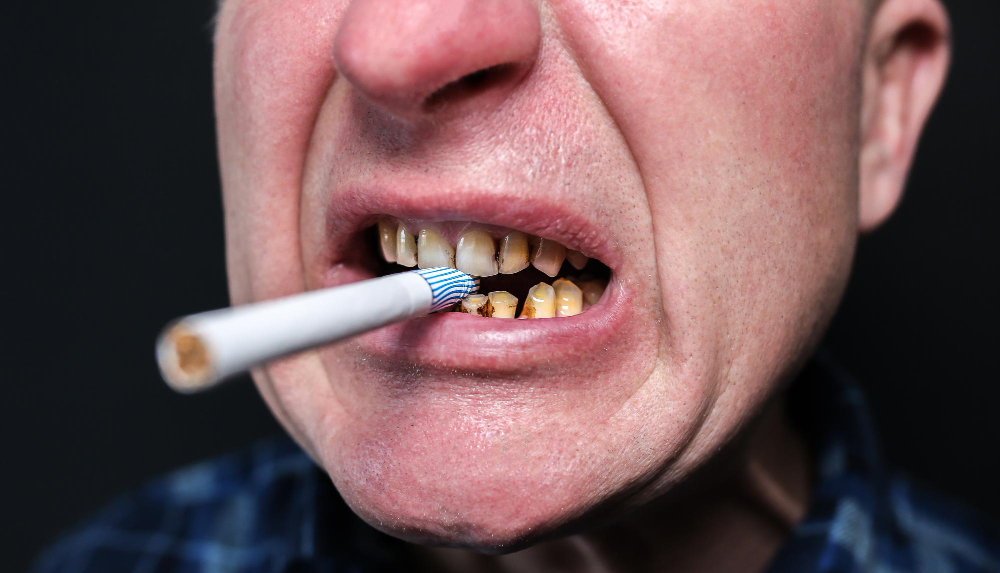
Oral health means keeping your mouth, teeth, and gums healthy. Substance abuse is when someone uses drugs, alcohol, or tobacco in a harmful way. Often, people do not realize that oral health and substance abuse are closely linked. When someone misuses substances, their mouth can suffer in many ways. Because of this, it is important to know how these two issues connect. Good oral health helps you eat, speak, and smile with confidence. However, substance abuse can make these things difficult.
Common Substances That Affect Oral Health
Many substances can harm your mouth. For example, some of the most common ones include:
Because these substances are common, many people face oral health risks without knowing it.
How Substance Abuse Impacts Oral Health
Substance abuse can cause many problems in the mouth. For instance, you may notice:
Additionally, people who use substances may not brush or floss as often. This can make oral health problems worse. According to the CDC, people who smoke are twice as likely to have gum disease. Methamphetamine use can cause “meth mouth,” which is severe tooth decay and gum damage. Because of these risks, it is important to pay attention to changes in your mouth.
Diagnosis and Warning Signs
Early signs of oral health problems can be easy to miss. However, you should watch for:
If you notice any of these signs, see a dentist soon. Dentists can spot early damage and help you get the right care. In the United States, many dental clinics offer screenings for people at risk.
Treatment Options and Dental Care Strategies
Treating oral health problems caused by substance abuse often needs a team approach. For example, you may need:
Because recovery takes time, regular dental visits are important. Dentists can also suggest products for dry mouth or sensitive teeth. Working with both dental and medical professionals gives you the best chance for healing.
Prevention Tips and Healthy Lifestyle Guidance
Preventing oral damage from substance use is possible. Here are some tips:
Additionally, if you are struggling with substance use, seek help early. Making small changes can protect your mouth and your overall health.
Conclusion
Oral health and substance abuse are closely linked. Substance use can harm your mouth in many ways. However, with the right care and support, you can protect your teeth and gums. Consult Kalyan Dental Care for personalized advice and support on protecting your oral health.