
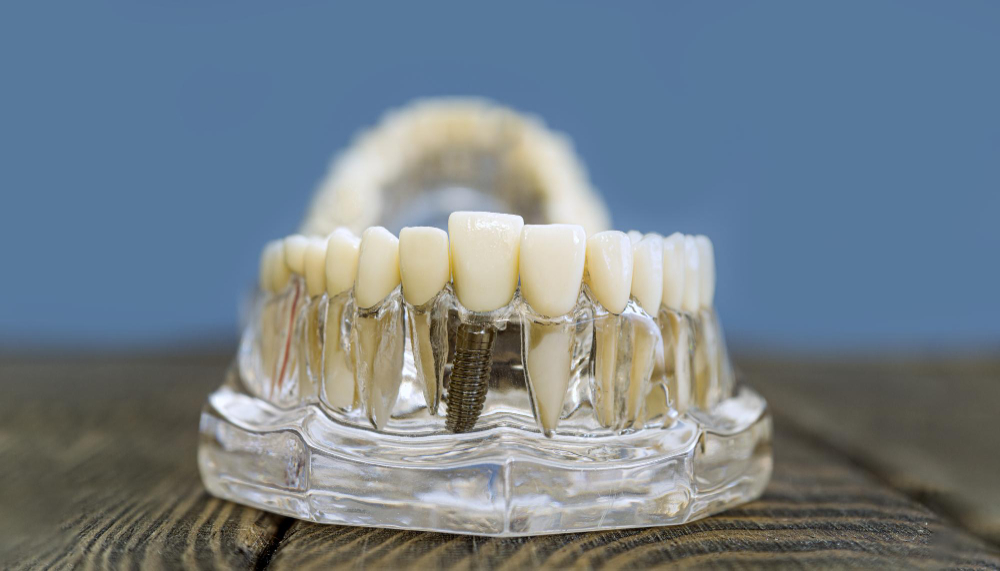
What Is an Implant-Supported Bridge?
An implant-supported bridge is a dental restoration used to replace several missing teeth. Instead of resting on gums or attaching to natural teeth, this bridge connects to dental implants. These implants are small metal posts placed in the jawbone. Because of this, the bridge feels stable and looks natural. Many people choose an implant-supported bridge for missing teeth because it offers a strong and lasting solution.
Symptoms and Dental Issues That May Require an Implant-Supported Bridge
Missing teeth can cause many problems. For example, you may notice gaps in your smile. Chewing food might become hard. Sometimes, speech changes or you may feel less confident. Over time, nearby teeth can shift into the empty space. This can lead to bite problems or jaw pain. If you have several missing teeth in a row, your dentist may suggest an implant-supported bridge. This option helps restore your smile and function.
Causes and Risk Factors for Tooth Loss Leading to This Treatment
There are many reasons why people lose teeth. Common causes include:
Some risk factors make tooth loss more likely. For instance, poor oral hygiene, smoking, diabetes, and not visiting the dentist regularly can increase your risk. Age can also play a role, as older adults may face more dental problems.
Diagnosis and Evaluation Process for Candidacy
Not everyone is a candidate for an implant-supported bridge. First, your dentist will check your mouth and take X-rays. These images show if you have enough healthy jawbone to support implants. Sometimes, a CT scan is needed for a closer look. Your dentist will also ask about your health history. For example, certain conditions like uncontrolled diabetes may affect healing. If you smoke, your dentist may advise quitting before treatment. After this careful evaluation, your dentist will decide if an implant-supported bridge is right for you.
Step-by-Step Procedure for Placing an Implant-Supported Bridge
The implant bridge procedure happens in several steps:
Because the process takes time, your dentist may give you a temporary bridge while you heal. This way, you can eat and smile with confidence during treatment.
Benefits and Potential Risks
There are many benefits to choosing an implant-supported dental restoration:
However, there are some risks to consider. For example, the surgery may cause swelling, pain, or infection. Rarely, the implant may not bond with the bone. Smoking and certain health conditions can increase these risks. Still, most people have a safe and successful experience.
Aftercare, Maintenance, and Lifestyle Guidance
After getting an implant-supported bridge, good care is important. Brush your teeth twice a day and floss daily. Your dentist may suggest special cleaning tools for the bridge. Regular dental checkups help catch problems early. Avoid chewing hard foods like ice or hard candy, as these can damage your bridge. If you grind your teeth at night, ask your dentist about a mouthguard. With the right care, your implant-supported bridge can last many years.
Prevention Tips for Future Dental Health
To keep your teeth and gums healthy, follow these tips:
By taking these steps, you can lower your risk of tooth loss and protect your smile.
Conclusion
In summary, an implant-supported bridge is a strong and natural-looking way to replace missing teeth. It can improve your smile, speech, and chewing. However, it is important to care for your new bridge and visit your dentist regularly. Consult a dental specialist to find out if an implant-supported bridge is right for you at Kalyan Dental Care.