
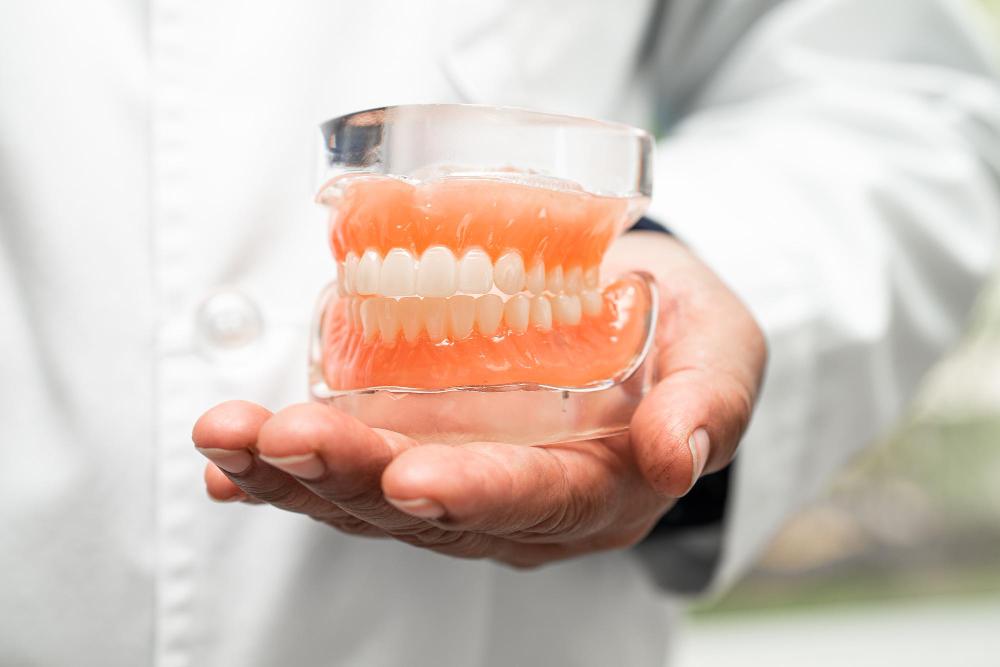
What Are Dentures?
Dentures are removable devices that replace missing teeth. They help you eat, speak, and smile with confidence. Many people need dentures due to tooth loss from age, injury, or disease. According to the American Dental Association, dentures can improve your quality of life. For many, they restore both function and appearance.
Types of Dentures
There are several types of dentures. Each type serves a different need. Below are the main types of dentures:
Benefits of Dentures
Dentures offer many benefits. First, they restore your ability to chew food. This helps you enjoy a balanced diet. Next, dentures improve your speech. Missing teeth can make it hard to pronounce words. In addition, dentures support your facial muscles. This prevents a sunken look. They also boost your self-esteem by giving you a natural-looking smile. Finally, dentures are custom-made, so they fit your mouth comfortably.
How to Care for Dentures
Proper care keeps your dentures clean and your mouth healthy. Follow these daily steps:
What to Expect When Getting Dentures
Getting dentures is a process. First, your dentist will examine your mouth and discuss your options. Sometimes, teeth may need to be removed. After that, your dentist will take impressions of your mouth. These help create dentures that fit well. When you first wear dentures, they may feel odd. However, most people adjust within a few weeks. You may need several visits for adjustments. Eating and speaking may take practice at first. Over time, dentures will feel more natural.
Common Questions About Dentures
When to Consult a Dentist
If you have missing teeth or trouble chewing, talk to a dentist. Early advice can help you choose the best type of dentures. Also, see your dentist if your dentures feel loose, cause pain, or break. Regular check-ups keep your mouth and dentures in good shape.
For personalized advice about dentures, consult a dental specialist at Kalyan Dental Care.