
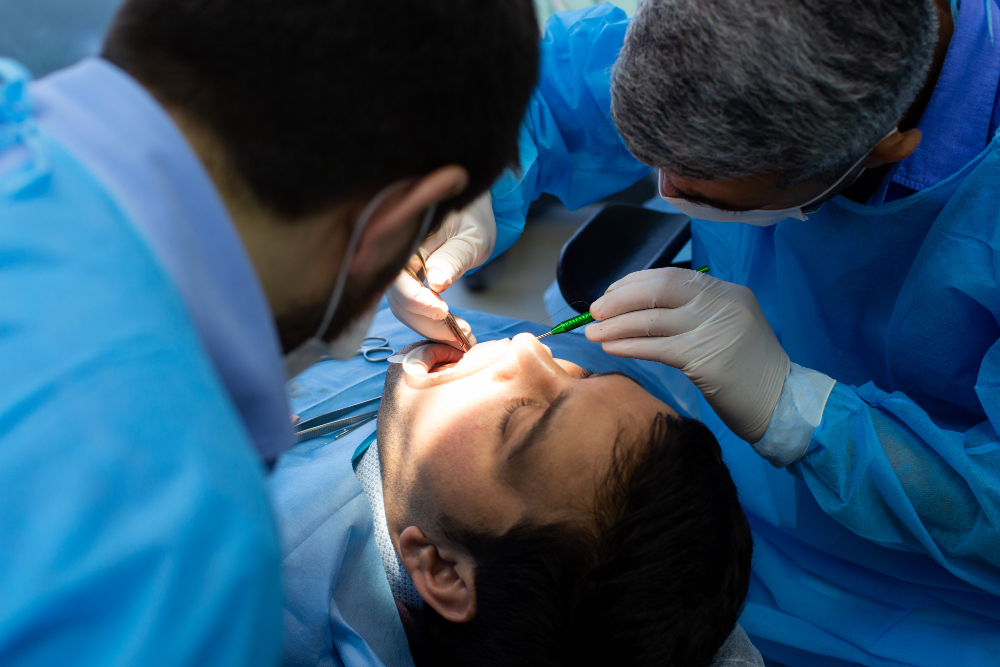
What is Full Mouth Rehabilitation?
Full mouth rehabilitation is a dental treatment that restores all teeth in your mouth. This process combines restorative dentistry and dental reconstruction to improve your smile and oral health. Often, people need this treatment when they have many damaged, worn, or missing teeth. As a result, full mouth rehabilitation can help you eat, speak, and smile with confidence again.
Common Symptoms and Signs Indicating Need
Sometimes, it is hard to know if you need full mouth rehabilitation. However, certain signs can help you decide when to see a dentist. For example, you may notice:
Additionally, if you feel embarrassed to smile or speak, it may be time to consider restorative dentistry.
Causes and Risk Factors
Many factors can lead to the need for full mouth rehabilitation. For instance, some common causes include:
Moreover, people with chronic health issues, such as diabetes, may face higher risks. Smoking and a high-sugar diet can also increase your chances of dental problems.
Diagnosis and Evaluation Process
First, your dentist will perform a full dental exam. This includes checking your teeth, gums, and jaw. Next, they may take X-rays or digital scans. These images help your dentist see hidden problems. After that, your dentist will discuss your symptoms and health history. Sometimes, they may use models or photos to plan your treatment. In the end, a clear plan is made just for you.
Treatment Options and Procedures
Full mouth rehabilitation uses several dental treatments. Your dentist will choose the best options for your needs. Common procedures include:
Sometimes, treatment happens in stages. This helps your mouth heal and adjust between steps. Your dentist will explain each part of the process.
Benefits and Expected Outcomes
Full mouth rehabilitation offers many benefits. For example, you can expect:
According to the American Dental Association, most patients see lasting results. However, success depends on good oral care and regular dental visits.
Recovery, Aftercare, and Lifestyle Tips
After treatment, you may need some time to heal. Your dentist will give you care instructions. For example, you should:
Additionally, using a mouthguard at night can protect your new teeth if you grind them.
Prevention and Oral Health Maintenance
Even after full mouth rehabilitation, it is important to keep your mouth healthy. Here are some tips:
With good habits, you can enjoy your new smile for many years.
If you think you may need full mouth rehabilitation, consult Kalyan Dental Care for expert guidance and to discuss if this treatment is right for you.